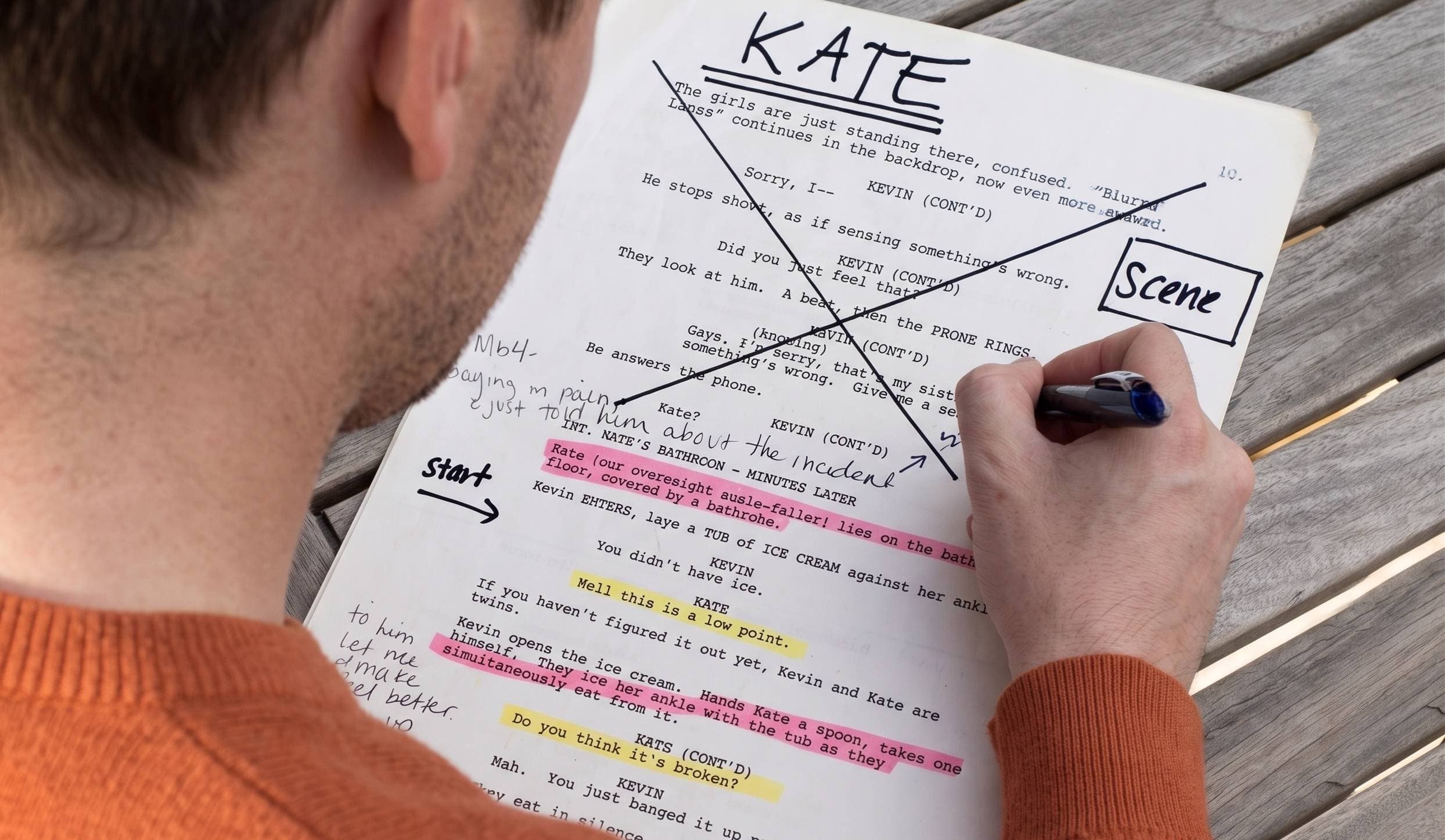
There's a very specific kind of panic that hits around 10:47pm the night before an audition.
Your scene partner cancelled. You've read the thing enough times that it feels familiar, but if someone actually asked you to say it out loud right now? Gone. All of it. You consider texting someone. You don't, because it's nearly 11 and you already asked them twice last week. So you record your own cues on your phone and fill in the gaps.
Over the last couple of years, AI tools for actors have quietly gone from novelty to something I actually rely on. None of them are perfect. A few of them are clearly built by people who have never been inside an audition room....but some of them are starting to solve real problems, and I wanted to break down what's actually worth your time.
Quick disclosure: I'm Alfred, co-founder of Linus, so yes — I'm biased. I'm also a working actor who has obsessively tested everything in this space because I genuinely needed these tools to work. Not as a tech experiment. As a way to stop losing my mind before auditions.
Here's where things stand.
1. Linus
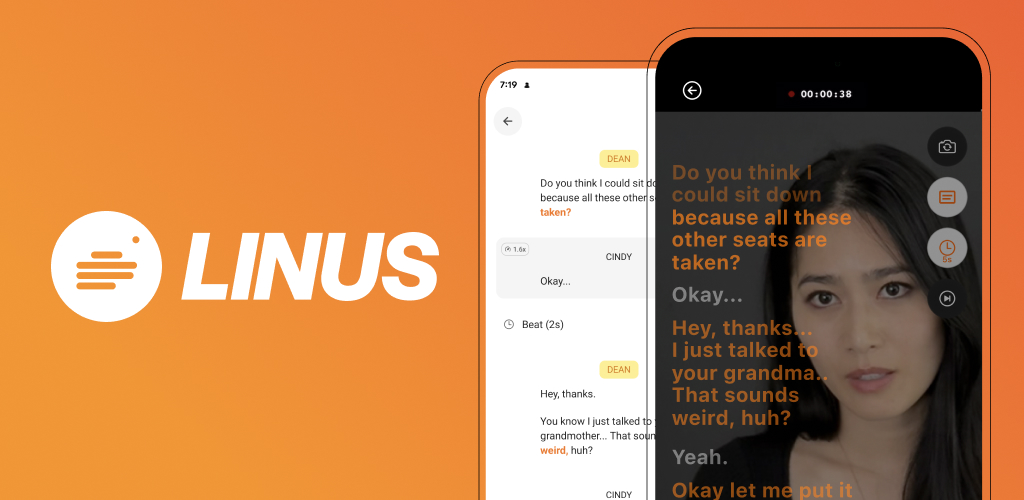
Best for: A proper AI scene partner and self-tapes in one place
Linus tops the list because it is a bit more of a powerhouse than some of the other tools we have found. It can handle both small scenes and full scripts, is user friendly enough for those who hate technology but equipped with tools needed for power users.
Linus also prides themselves on using real voice actors with their AI voices, so every time you generate new dialogue for your scene, an actor is being paid for their voice being used!
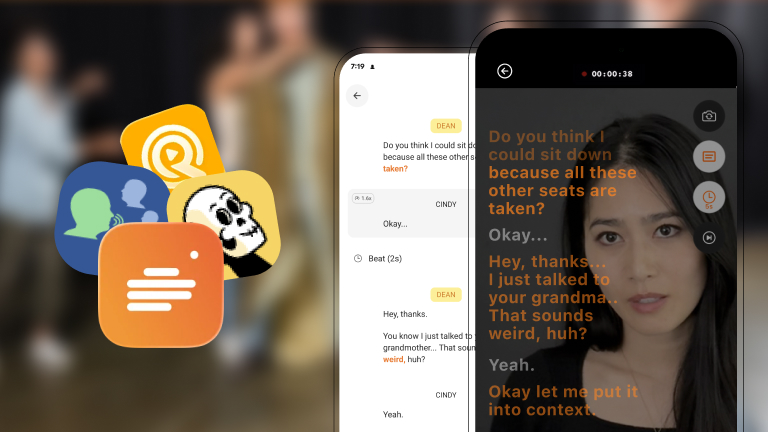
What it does: Run lines and have the app listen for you to speak, Self tape with a teleprompter and a 'Table Read' function where you can listen to scenes through.
What I think works well: Linus supports scenes large and small, you can also buy short passes instead of locking into a subscription, which matters when you're between jobs.
What could be better: Their web application is still only early days - but they are the only platform we have seen that is unified across iOS, Android and Web with a sync between them.
Pricing: Free plan available. Unlimited is $9.99USD/month. 3-day passes from $1.99USD.
2. Rafy
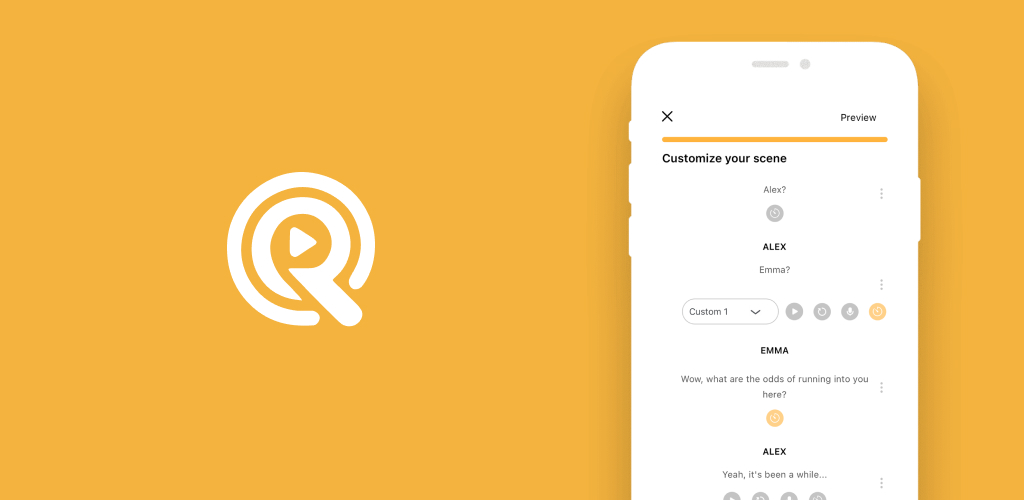
Best for: Quick self-tape recording with a basic reader
Rafy keeps things simple. Paste your script, pick a voice, hit record. It reads the other lines while you tape. No frills.
What it does: Text-to-speech reader with basic self-tape recording and straightforward script input.
What works: If you just need to get a tape down fast without fussing over settings, Rafy does the job. The interface is clean and there's almost no learning curve.
Where it falls short: It doesn't actually listen to you — it runs on a timer or you tap manually to advance. That's fine for straightforward scenes, but anything with interruptions, overlapping dialogue, or tricky pacing and you'll feel it. Voice options are limited too.
Pricing: Free with in-app purchases. Three tier options which increase the number of scripts you can upload per month.
3. LineLearner
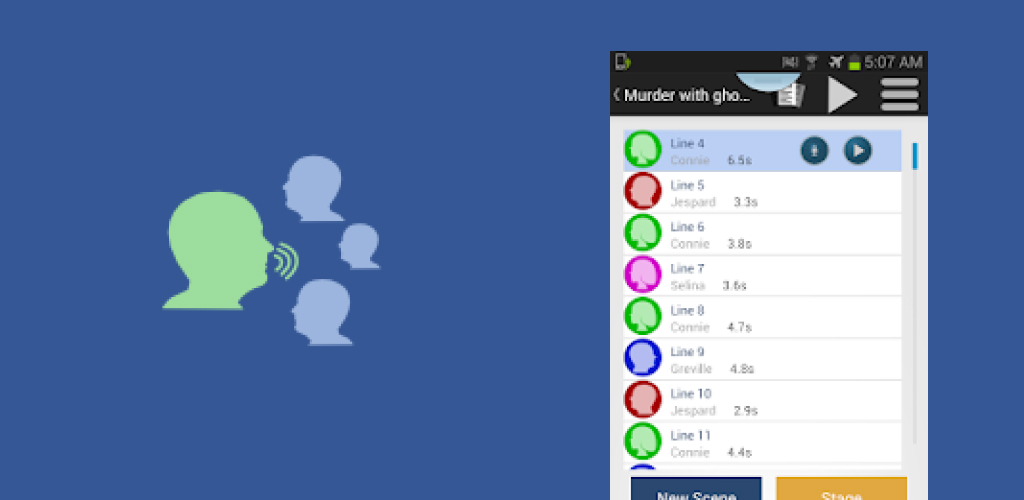
Best for: Reliable and no-nonsense, if a bit dated
LineLearner was one of the first apps to do this, and honestly, it did it well. It hasn't been updated in years, but it still works and it's surprisingly robust. You record all the other characters' lines yourself, which is tedious, but the app gives you a bunch of different ways to run the scene once you've done that.
What it does: You record your own voice for the other characters. You can change the pitch so it doesn't sound exactly like you (it still kind of does). Comes with progress tracking.
What works: It's great for running lines quickly when you're on the move — commuting, walking, whatever. And it's a one-off purchase, which is increasingly rare.
Where it falls short: You're still recording your own voice for every character, which is the exact problem a lot of us are trying to get away from. The whole experience also feels pretty dated compared to what's come out since.
Pricing: $4.99, one-time.
4. Scene Partner AI
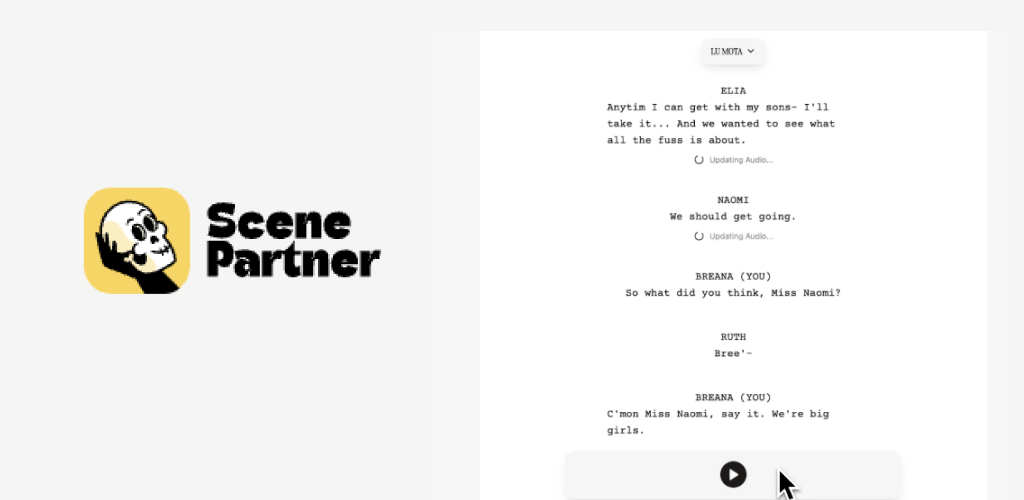
Best for: Browser-based line reading
Scene Partner AI runs in your browser, so there's nothing to download. You paste your script, assign roles, and go.
What it does: Web-based scene reading with text-to-speech voices and basic cue triggering.
What works: You can use it from any device, which is handy. The team seems to be actively developing it, so it's worth keeping an eye on.
Where it falls short: There's no integrated self-tape setup, so if you need to record, you're stitching this together with a separate device. It also lacks some of the deeper rehearsal features you'd want for serious preparation.
Pricing: Freemium model - the cheapest subscription beginning at $14.99USD per month.
So What Should You Actually Use?
All of these are better than whispering cue lines to yourself in your kitchen at midnight. But they solve different problems.
If you just need something to read lines at you while you record a tape, Rafy will handle that. If you're mainly focused on memorisation and drilling the text into your brain, LineLearner will get you there. If you want something that actually feels like running a scene with someone — where it responds to you rather than at you — and you want to rehearse and tape in the same place, that's where Linus will excel.
One Last Thing
AI isn't replacing scene partners. It's not replacing rehearsal rooms, or directors, or the thing that happens when you're actually in a room with another person and something clicks.
What it's doing is filling in the gaps that were already there. The night-before-the-audition gap. The last-minute callback where you've got two hours to prep. The gap where you need to run it one more time but you've already asked everyone you know and it's too late to call anyone.
Most of these have free tiers, so try a few. Use whichever one actually fits how you work.
Alfred Kouris is a co-founder of Linus and a working actor based in Australia.